

Aviva Golden
EVERDAY LAW: THE PRACTICAL GUIDE TO HOW THE LAW AFFECTS YOU
Rs. 4,995

Christopher Chabris & Daniel Simons
Harper Collins
Reading this book will make you less sure of yourself – and that’s a good thing. In The Invisible Gorilla, Christopher Chabris and Daniel Simons, creators of one of psychology’s most famous experiments, use remarkable stories and counterintuitive scientific findings to demonstrate an important truth: Our minds don’t work the way we think they do. We think we see ourselves and the world as they really are, but we’re actually missing a whole lot.
Chabris and Simons combine the work of other researchers with their own findings on attention, perception, memory, and reasoning to reveal how faulty intuitions often get us into trouble. In the process, they explain:
Why a company would spend billions to launch a product that its own analysts know will fail
How a police officer could run right past a brutal assault without seeing it
Why award-winning movies are full of editing mistakes
What criminals have in common with chess masters
Why measles and other childhood diseases are making a comeback
Why money managers could learn a lot from weather forecasters
Again and again, we think we experience and understand the world as it is, but our thoughts are beset by everyday illusions. We write traffic laws and build criminal cases on the assumption that people will notice when something unusual happens right in front of them. We’re sure we know where we were on 9/11, falsely believing that vivid memories are seared into our minds with perfect fidelity. And as a society, we spend billions on devices to train our brains because we’re continually tempted by the lure of quick fixes and effortless self-improvement.
The Invisible Gorilla reveals the myriad ways that our intuitions can deceive us, but its much more than a catalog of human failings. Chabris and Simons explain why we succumb to these everyday illusions and what we can do to inoculate ourselves against their effects. Ultimately, the book provides a kind of x-ray vision into our own minds, making it possible to pierce the veil of illusions that clouds our thoughts and to think clearly for perhaps the first time.
The book
Reading this book will make you less sure of yourself – and that’s a good thing. In The Invisible Gorilla, Christopher Chabris and Daniel Simons, creators of one of psychology’s most famous experiments, use remarkable stories and counterintuitive scientific findings to demonstrate an important truth: Our minds don’t work the way we think they do. We think we see ourselves and the world as they really are, but we’re actually missing a whole lot.
Chabris and Simons combine the work of other researchers with their own findings on attention, perception, memory, and reasoning to reveal how faulty intuitions often get us into trouble. In the process, they explain:
Why a company would spend billions to launch a product that its own analysts know will fail
How a police officer could run right past a brutal assault without seeing it
Why award-winning movies are full of editing mistakes
What criminals have in common with chess masters
Why measles and other childhood diseases are making a comeback
Why money managers could learn a lot from weather forecasters
Again and again, we think we experience and understand the world as it is, but our thoughts are beset by everyday illusions. We write traffic laws and build criminal cases on the assumption that people will notice when something unusual happens right in front of them. We’re sure we know where we were on 9/11, falsely believing that vivid memories are seared into our minds with perfect fidelity. And as a society, we spend billions on devices to train our brains because we’re continually tempted by the lure of quick fixes and effortless self-improvement.
The Invisible Gorilla reveals the myriad ways that our intuitions can deceive us, but its much more than a catalog of human failings. Chabris and Simons explain why we succumb to these everyday illusions and what we can do to inoculate ourselves against their effects. Ultimately, the book provides a kind of x-ray vision into our own minds, making it possible to pierce the veil of illusions that clouds our thoughts and to think clearly for perhaps the first time.
Details
Same publisher
Aviva Golden
Rs. 4,995
Nirupama Subramanian
Rs. 800
Esteban Martín, Andreu Carranza
Rs. 800
Agatha Christie
Rs. 1,400 Rs. 880
Tom Bower
Rs. 1,360
Gavin Esler
Rs. 1,050
Rs. 960
Rs. 640
Pinki Virani
Rs. 472
Ashok K Banker
Rs. 480
Rs. 880
Indu Sundaresan
Rs. 640
Same shelf
Peter Hay
Rs. 1,680
Bimal N Patel
Rs. 4,800
Steuart & Francis
Rs. 240
Justice Dharmadhikari
Rs. 2,400
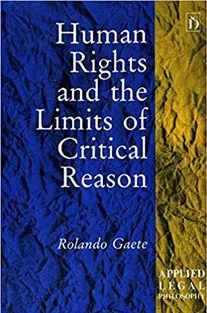
Rolando Gaete
Rs. 21,000
Madhav Prasad Acharya, Ganesh Bahadur Bhattarai
Rs. 495
Sir Clive Lewis
Rs. 16,960
William M Gordon
Rs. 22,500
Patrick Wormald
Rs. 13,320
W R Mujawar
Rs. 1,240
Muhammad Baqir AS Sadar
Rs. 880
Robert Nalbandov
Rs. 15,000
Rs. 640× 8