
Jack Donnelly
Universal Human Rights
Rs. 9,750
Uday Singh Mehta
Cornell University Press
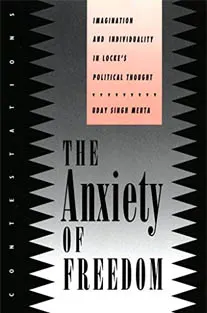
The enduring appeal of liberalism lies in its commitment to the idea that human beings have a “natural” potential to live as free and equal individuals. The realization of this potential, however, is not a matter of nature, but requires that people be molded by a complex constellation of political and educational institutions. In this eloquent and provocative book, Uday Singh Mehta investigates in the major writings of John Locke the implications of this tension between individuals and the institutions that mold them. The process of molding, he demonstrates, involves an external conformity and an internal self-restraint that severely limit the scope of individuality.
Mehta explores the centrality of the human imagination in Locke’s thought, focusing on his obsession with the potential dangers of the cognitive realm. Underlying Locke’s fears regarding the excesses of the imagination is a political anxiety concerning how to limit their potential effects. In light of Locke’s views on education, Mehta concludes that the promise of liberation at the heart of liberalism is vitiated by its constraints on cognitive and political freedom.
The book
The enduring appeal of liberalism lies in its commitment to the idea that human beings have a “natural” potential to live as free and equal individuals. The realization of this potential, however, is not a matter of nature, but requires that people be molded by a complex constellation of political and educational institutions. In this eloquent and provocative book, Uday Singh Mehta investigates in the major writings of John Locke the implications of this tension between individuals and the institutions that mold them. The process of molding, he demonstrates, involves an external conformity and an internal self-restraint that severely limit the scope of individuality.
Mehta explores the centrality of the human imagination in Locke’s thought, focusing on his obsession with the potential dangers of the cognitive realm. Underlying Locke’s fears regarding the excesses of the imagination is a political anxiety concerning how to limit their potential effects. In light of Locke’s views on education, Mehta concludes that the promise of liberation at the heart of liberalism is vitiated by its constraints on cognitive and political freedom.
Details
Same publisher
Jack Donnelly
Rs. 9,750
Austin Sarat
Rs. 14,250
Same shelf
Chiranjivi J Nirmal
Rs. 552
Andrew Williams
Rs. 18,750
Michael J Trebilcok & Ronald J Daniels
Rs. 11,250
Dr Avtar Singh, Dr Harpreet Kaur
Rs. 1,150
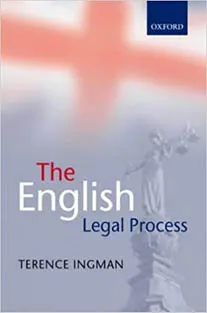
Terence Ingman
Rs. 6,500
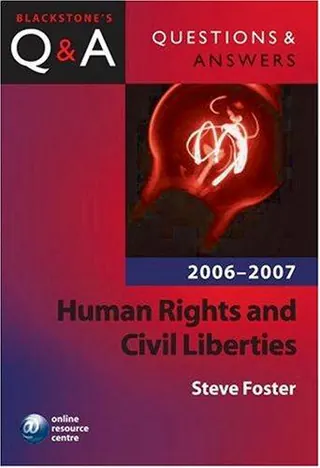
Steve Foster
Rs. 8,250
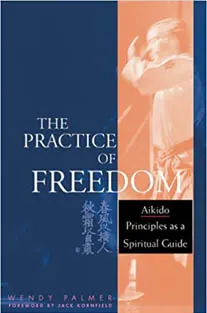
Wendy Palmer
Rs. 3,750
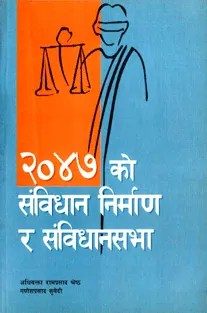
Ram Prasad Shrestha, Ganesh Prasad Subedi
Rs. 495
Rs. 2,000
Marcel Berlins & Clare Dyer
Rs. 1,280
Fiona Patfield & Robin White
Rs. 3,000
Jeffrey F Addicott, Md. Jahid Hossain Bhuiyan, and Tareq MR Chowdhury
Rs. 1,160
Rs. 2,125× 6